Key Takeaways:
- Iran re-imposed Strait of Hormuz controls on April 18, 2026, blaming the U.S. blockade and accusing Trump of making 7 false claims.
- Brent crude rebounded toward $94-$96 per barrel after dropping 9% on April 17, whipsawing oil futures markets.
- Bitcoin pulled back to the $75,800-$77,100 range after briefly clearing $78,000 on April 17, Strait reopening news.
U.S. Blockade Blamed as Iran Shuts Strait of Hormuz Less Than a Day After Reopening
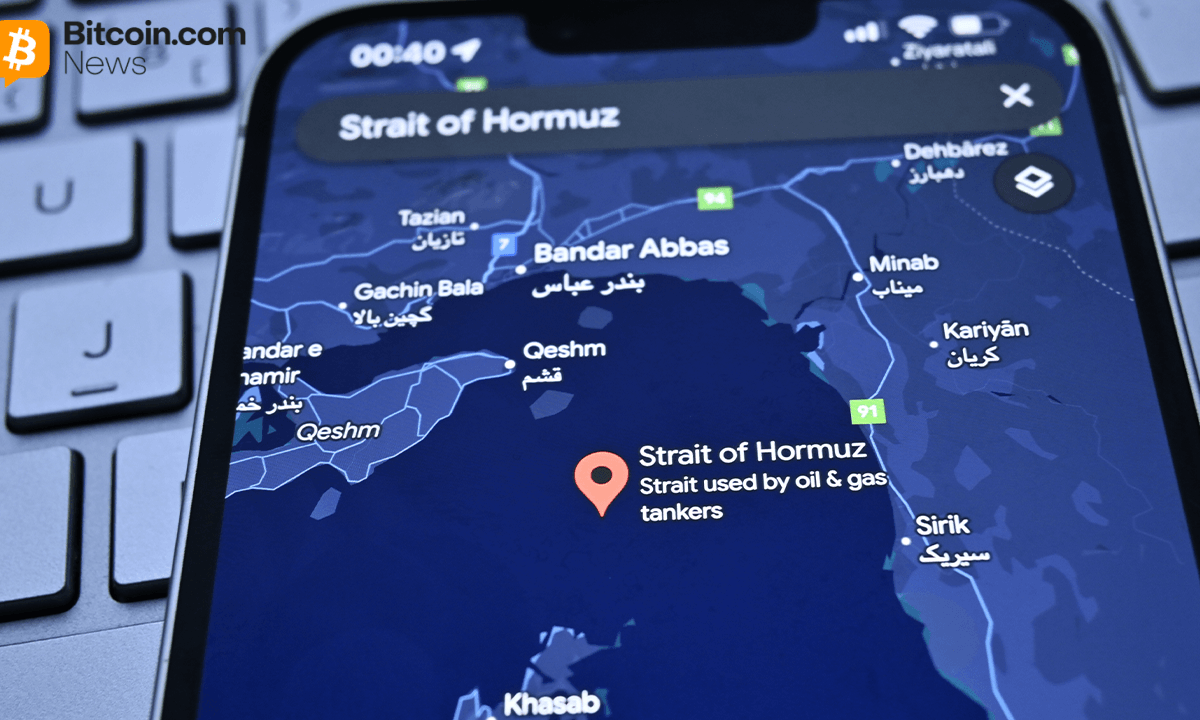
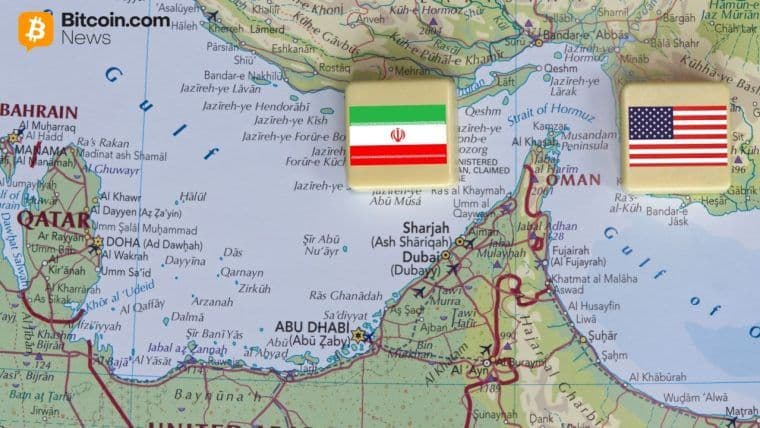
The Strait of Hormuz is a narrow passage between Iran and Oman through which roughly 20% of global oil and liquefied natural gas normally flows. It has been closed or heavily restricted since U.S.-Iran tensions escalated in early 2026, including U.S. strikes and a naval blockade of Iranian ports.
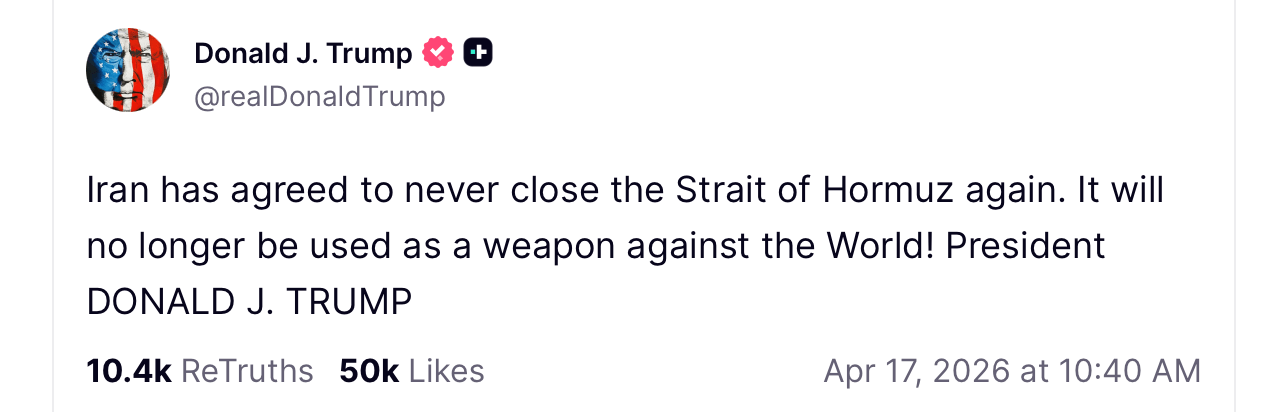
On April 17, Iran’s Foreign Minister Abbas Araghchi announced the strait was “completely open” to all commercial vessels for the duration of a ceasefire tied to a Lebanon-related truce. Trump welcomed the news on social media, calling it “fully open and ready for business” and claiming Iran had agreed the waterway would never be closed again.
Less than 24 hours later, Iranian state media outlets, including IRIB and the IRGC-linked Fars News Agency, alongside several international publications, reported that the Iranian military had returned the strait to “its previous state.” Vessels now require Iranian approval to pass, and regional shipping reports confirmed that multiple ships were already being turned around.
Iranian Parliament Speaker Mohammad Bagher Ghalibaf went further, accusing Trump of making “7 claims, all 7 false” within a short span of time. Deputy Foreign Minister Saeed Khatibzadeh confirmed that Trump’s narrative did not match the facts on the ground, stating vessels must coordinate with Iranian forces.
Iran placed the blame squarely on the United States. The re-closure, officials said, was a direct response to Washington’s refusal to lift its naval blockade of Iranian Gulf ports. Iran has maintained it never agreed to keep the strait permanently open, calling that framing a fabrication.
Oil markets had already priced in a short-lived peace. On April 17, after the reopening announcement, Brent crude dropped roughly 9% to settle near $92 per barrel. WTI fell to the $82-$83 range. The drop fed a broader market rally as traders priced out energy-driven inflation fears.
By April 18, the reversal was underway. Brent futures climbed back toward $94-$96 per barrel with intraday volatility, while WTI futures pushed toward $90. Forward contracts for Brent June 2026 reflect continued near-term risk premiums, and shipping companies remain cautious as security guarantees stay unresolved.
Bitcoin tracked the same sentiment swing. On April 17, BTC cleared $77,000 and briefly traded above the $78,000 marker, its highest level since early February. Crypto-adjacent equities, including Coinbase and Strategy, moved higher alongside broader risk assets.
On April 18, following the closure news spreading, bitcoin pulled back to the $75,800-$77,100 range. The possibility of a bull trap could take place if geopolitical tensions continue to escalate, though the prior day’s momentum has not been fully erased.
Bitcoin Hits $78,348 as Strait of Hormuz Reopening Ignites Global Relief Rally
Bitcoin surged past $78,000, reaching an intraday high of $78,348. The rally pushed its 24-hour gains to 4.1% and its…

Bitcoin Hits $78,348 as Strait of Hormuz Reopening Ignites Global Relief Rally
Bitcoin surged past $78,000, reaching an intraday high of $78,348. The rally pushed its 24-hour gains to 4.1% and its…
Bitcoin Hits $78,348 as Strait of Hormuz Reopening Ignites Global Relief Rally
Bitcoin surged past $78,000, reaching an intraday high of $78,348. The rally pushed its 24-hour gains to 4.1% and its…
At 8:30 a.m. Eastern time on Saturday, bitcoin is trading just above the $76,000 range. The ceasefire tied to the strait’s brief opening remains fragile. Some reports indicate a deadline of around April 22. The U.S. blockade of Iranian ports stays in effect, and Iran has shown it will use the strait as leverage until that changes.
Both governments have now staked out public positions that leave little room for quiet resolution. Trump frames the situation as progress toward a nuclear deal. Iran frames Trump’s version of events as fiction. The waterway carrying a fifth of the world’s energy supply sits in between.