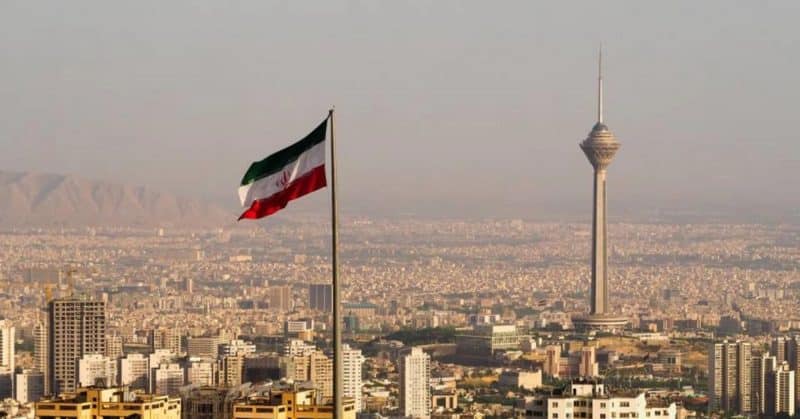
Iran’s airspace will reopen in four stages, the Deputy Head of Civil Aviation Organization confirms. The ceasefire-by-April-30 market sits at
Market reaction
The phased reopening follows a US-Israeli military campaign that closed Iranian airspace for 49 days and suggests some de-escalation. While the move nudges ceasefire odds upward, Iran’s refusal to send enriched materials to the U.S. has pushed the enriched uranium surrender market down hard, now at 31.2% YES after sitting at 65% yesterday.
Iran’s decision to retain its uranium stockpile complicates negotiations directly. The uranium enrichment agreement market is at 27.8% YES, down from 50% the previous day. The term structure shows traders expect possible catalysts between April and June, with a 27-point jump in odds from the April 30 to June 30 contracts.
Why it matters
Iran’s stance on keeping uranium within its territory creates a direct barrier to any full surrender agreement. The airspace reopening and the uranium refusal pull in opposite directions: one signals willingness to normalize, the other signals a hard line on the nuclear question.
What to watch
The US-Iran ceasefire market trades $80,435 in USDC daily, with $1,566 needed to move the price 5 points. The largest recent move was a 4-point drop, likely from a large sell order. The uranium markets are much thinner: the April 30 sub-market requires just $74 to move 5 points, making it vulnerable to single large trades.
A YES share at 31¢ pays $1 if Iran surrenders its stockpile by April 30, a
Get prediction market intelligence as a structured API feed. Early access waitlist.