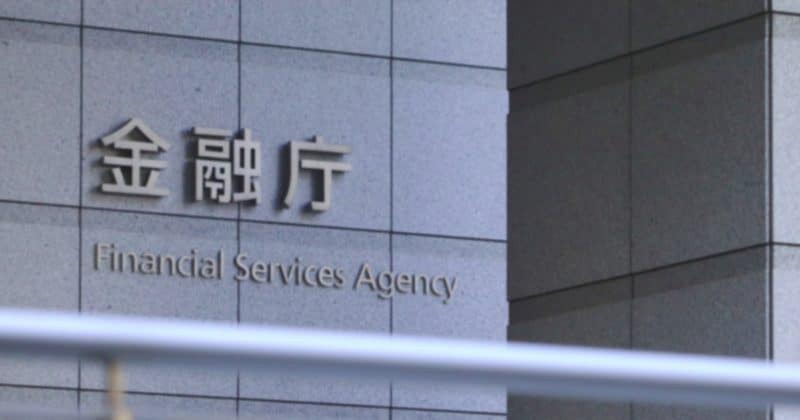
Japan’s Financial Services Agency (FSA) announced Tuesday amendments to a Cabinet Office Ordinance that would recognize certain foreign trust-type stablecoins as “electronic payment instruments” under the Payment Services Act.
The new rules, published under Prime Minister Sanae Takaichi, will take effect on June 1, 2026.
The amendment creates a framework allowing foreign trust beneficiary rights-based stablecoins issued by overseas trust banks and similar institutions to be handled domestically by registered electronic payment service providers instead of being treated as securities under the Financial Instruments and Exchange Act.
To receive recognition, issuers must satisfy several regulatory conditions. They must operate under foreign laws equivalent to Japan’s banking or payment regulations and remain supervised by authorities capable of cooperating with the FSA.
Reserve assets must be properly managed and independently audited, while issuers must also maintain systems to address criminal misuse, including transaction suspension mechanisms. In addition, the reserve assets and displayed monetary denomination must match in currency.
These requirements are intended to ensure that foreign stablecoins provide a level of user protection comparable to domestic electronic payment instruments.
However, the rules do not require reserve assets to mirror the structure used in Japan’s domestic trust beneficiary rights products. Regulators will instead assess each stablecoin individually by examining factors such as liquidity, credit risk, redemption reliability, and audit quality.
The case-by-case approach means some foreign stablecoins may qualify for domestic trading while others may not, even if they are widely used overseas. Support for Japanese exchanges and wallet providers will therefore depend on the outcome of regulatory reviews and each issuer’s reserve management framework.
The amendment also places a strong emphasis on regulatory cooperation. The financial watchdog will only approve stablecoins issued in jurisdictions where supervisory authorities can share relevant oversight information with Japanese regulators.
Japan’s latest move comes as global stablecoin regulation accelerates. Europe has already regulated electronic money tokens under MiCA, while the US passed the GENIUS Act in 2025.