

The nightlife minutiae of a small town in Massachusetts may not seem like traditional fodder for a 24-hour news cycle. But turn that drama into a more-than-1,500-word Boston Globe article, sprinkled with apéritifs for online discourse? Well, that’s a recipe for virality.
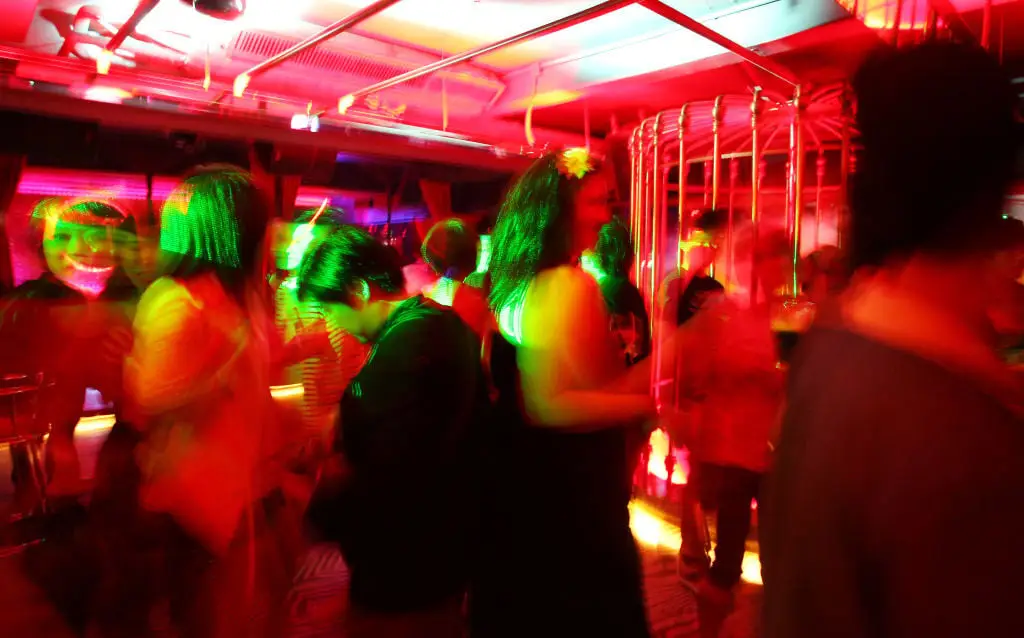
That’s what happened when the Globe reported on a recent public skirmish between community members and the owners of Last Ditch Bar and Arts Venue, a lesbian bar and event space in Greenfield, a town of just 17,000 people.
The Last Ditch is one of just 36 lesbian bars in the U.S., as chronicled by the Lesbian Bar Project. It’s a nightlife outlier amid a post-COVID bar and club scene that has had to reckon with a decline in public socialization — let alone one that has addressed the alarming decline of number of lesbian bars across the country long before the global pandemic.
But the bar’s reputation as a gathering place for Greenfield’s Sapphic community is now marred by a dramatic series of events that started with a single Instagram post.
The Aug. 31 alert to customers began as an explanation of the venue’s updated mask policy. Where the space used to require KN-95 masks at all times, Last Ditch was moving towards more mask-less events — specifically opening up Saturday nights to maskless customers. The response from commenters online was a no-holds-barred flurry of irate messages, accusations of ableism and racism, and even calls for violence from former customers who said their previously safe space had been compromised.
From there, the situation spun out of control, chronicled by the Globe as a series of apologies, retractions, public meetings, and online debates that set a group of COVID-conscious collectives against a fractured bar leadership.
The quotes and comments referenced in the article were sure to get attention: Some Last Ditch patrons referred to the Saturday night change as a “mass disabling event” and a “eugenicist” attack. “People like you kill disabled people in the name of your own leisure and convenience,” wrote another commenter.
The internet responds to the Last Ditch effort
Like the rabid commenters and enraged community the feature profiles, the internet couldn’t be normal about the story’s increasingly bizarre anecdotes and comments from the Last Ditch’s opposition.
Users called it possibly the best reporting of the year, some of their lives. Screenshots of users’ favorite enraged comments — like “one had enrolled in clown school” (a Last Ditch owner is currently enrolled in clown school) and “I hope your venue gets firebombed” — have proliferated online.
Within 24 hours, the story had become 2026’s “Cat Person” or “Bad Art Friend.”
This Tweet is currently unavailable. It might be loading or has been removed.
This Tweet is currently unavailable. It might be loading or has been removed.
This Tweet is currently unavailable. It might be loading or has been removed.
This Tweet is currently unavailable. It might be loading or has been removed.
This Tweet is currently unavailable. It might be loading or has been removed.
But percolating throughout the humor-filled posts is unabashed, homophobic commentary on queer and disabled communities. Quotes of the Globe‘s reporting included images of staff and customers ripped from the bar’s social media pages, posted alongside unwarranted commentary on their appearances. Some took the opportunity to attack liberal and leftist ideologies at large, with one user calling the Last Ditch’s initial Instagram post — not the response it engendered — an example of “intergalactic woke batcrapitude.“
And the Boston Globe has benefited from the viral tale, too, allegedly gaining more than 1,000 subscribers after it went live.
“We started this project as a small group of friends with a burning desire to keep unapologetically queer spaces alive in Western Mass,” wrote Last Ditch leadership in an Instagram plea from April 20. “Not to make money, not to garner notoriety. Just to maintain, expand, and serve our queer community.”
Source: https://mashable.com/life/massachusets-lesbian-bar-viral-mask-policy